


The First Weeks Home

Updated: Apr 2
Stroke Series — Part 4
By the time you read this, several weeks will have passed since I came home from the hospital.
In many ways, life feels almost normal again.
That has been one of the most surprising parts of this experience. When people think about stroke recovery, they often imagine dramatic changes — severe disability, long hospital stays, or obvious physical limitations.
My experience has been quieter than that.
But quieter doesn’t mean nothing changed.
Some things are simply… slower now.
Speaking takes a little more time. Sometimes I know exactly what I want to say, but the word takes a moment longer to arrive. Occasionally, my tongue gets tied more than it used to.
Using my right hand is a bit slower as well. Typing and texting take more concentration because sometimes my fingers hesitate, or the letters come out mixed up.
Even chewing food feels slower.
There is a slight drooping and skewed appearance to my face, but it’s subtle enough that many people might not notice it at all.
The biggest change, though, is the fatigue.
Before the stroke, I was always moving — not in the sense of having a formal exercise routine, but in the constant rhythm of everyday life. Doing things around the house. Working in the garden. Starting projects. Finishing others.
Now my body occasionally interrupts that rhythm.
It quietly says:
Slow down.
Since coming home, my husband and I began taking short morning walks down the hill to breakfast — about half a mile. Each day we added a little more distance.
The walk down is easy.

The walk back up the hill, however, is another story.
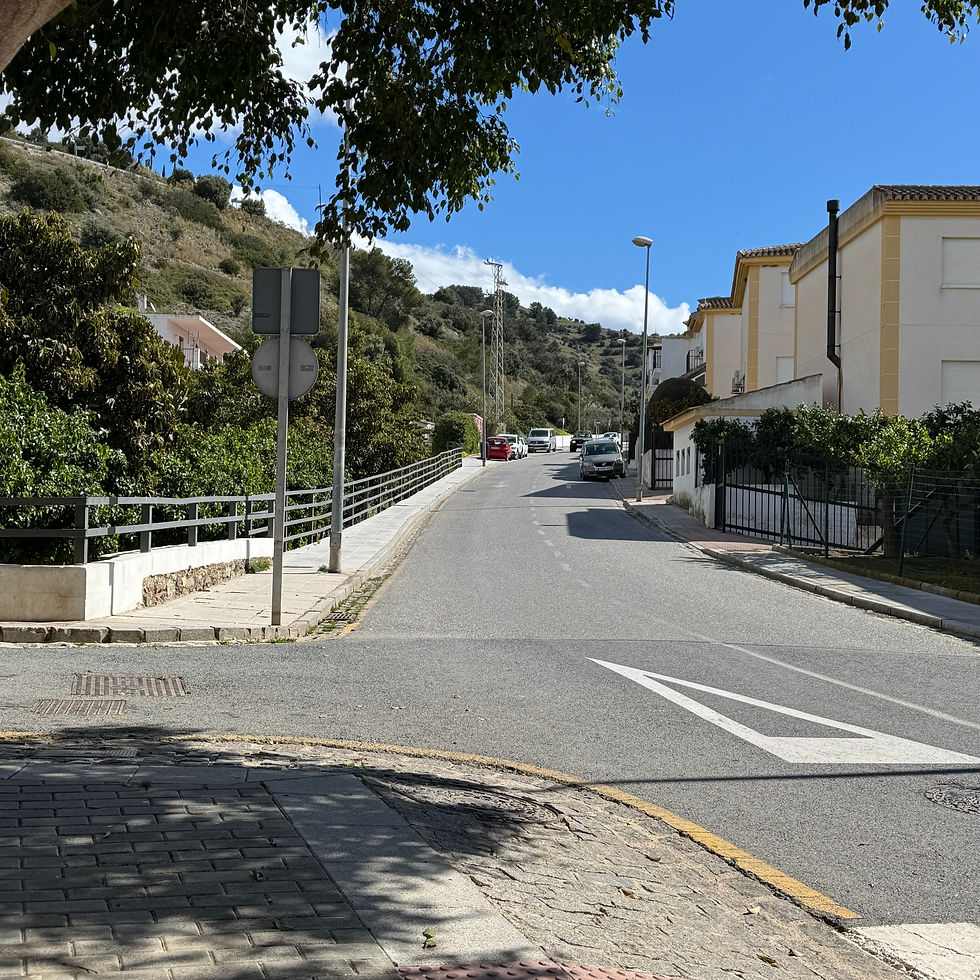
Up until the beginning of March, we had been taking a taxi home. Now I can walk back up the hill, but it takes more time than it used to.
Recovery, it turns out, is not a race.

It’s more like a negotiation between your mind and your body.
My mind says, “You’re fine. Let’s go.”
My body sometimes replies, “Not today.”
And I’m learning to listen.
In many ways, I feel incredibly lucky. My stroke was considered mild compared to what many people experience. The doctors discovered five small subacute hematomas in my brain — two in the corona radiata and three in the caudate nucleus — but the bleeding stabilized quickly and never required surgery.
For that, I am deeply grateful.
What surprises me most now is how normal I feel.
Aside from fatigue and the occasional reminder to slow down, I still feel like myself.
The same person who sketches ideas and creates artworks on an iPad.
The same person who starts creative projects.
The same person who looks at the world with curiosity.
The experience still feels a little unreal, as if it happened to someone else.
But it didn’t.
It happened to me.
And now, like many things in life, it becomes part of the story.
Not the whole story.
Just one chapter.
And like every chapter, it eventually leads to the next one.


Comments